Learning scenes, no shortcuts

What it looks like when someone starts programming with Python

Before signing up, it helps to know what the real work looks like: an open editor, an error that won't close, a database query that returns something you didn't expect. These scenes summarize typical situations for someone arriving without experience or wanting to organize what they already know. They are not promises of results: they are the kind of practice that appears in the Python Path courses and the starting point from which each person decides whether the journey works for them.

First contact

The blank editor and the first function

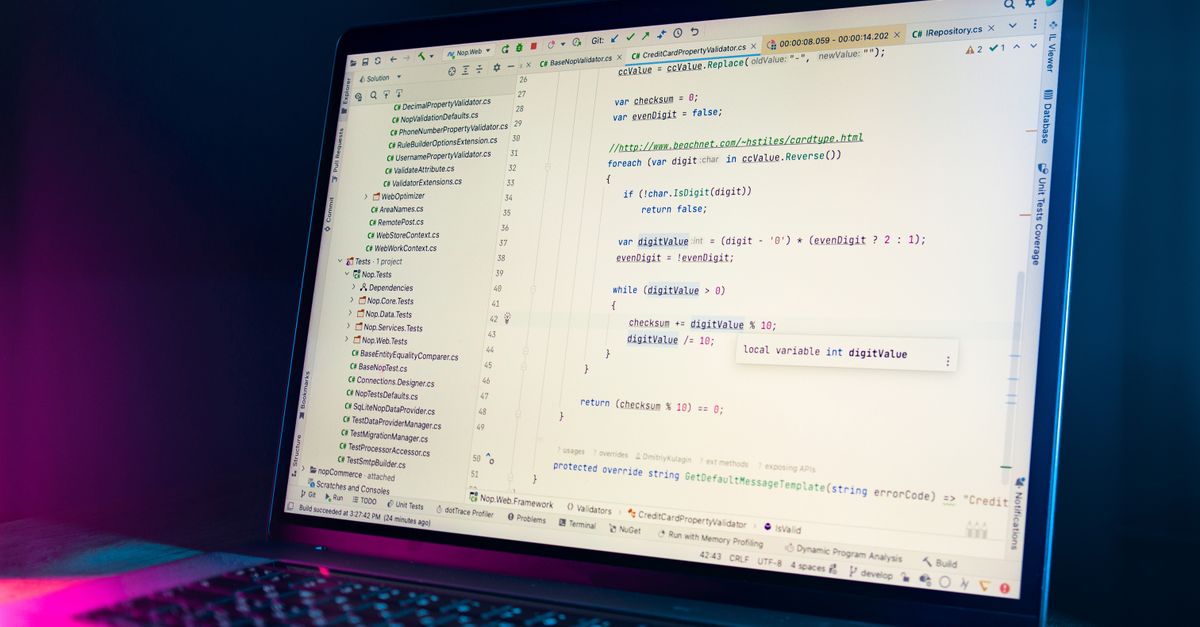
At first, everything comes down to understanding what each line does. You write a short function, run it, it breaks, you fix it. The editor screen with the cursor blinking is the most honest setting for a Python course from scratch: no one moves forward without going through that moment.

Python track: solutions
Structure

Django or Flask: the decision that organizes the project

When the exercise grows, the question about the framework comes up. Django provides administration and ready-made routes; Flask leaves more decisions to the person programming. Seeing both on the same desktop helps to understand why the choice depends on the size of the project and not on an abstract preference.

Python track: solutions
Data

One table, one query, one surprising result

Databases stop being theory when a query returns rows that do not match what was expected. That is where you learn to read a model, review the types of each field, and check the result before accepting the logic as correct. It is a slow and necessary step for any web application.

Python track: solutions
Automation

A small script that saves repeated work

Automation starts with something modest: reading a file, sorting data, generating a summary. The exercises insist on validating the output and on recognizing when a script is no longer enough. Not everything is solved with initial knowledge, and knowing where that limit is is also part of learning.

Python track: solutions

If any of these scenes feels familiar, the contact page lets you send a question about the course you are interested in. The form stores the message for the site team; it does not create accounts or subscriptions.

Which learning situation we address

Not everyone comes to programming the same way. Some have never written a line of code and need an orderly starting point. Others have already tried scattered tutorials and want to understand how a complete web application is put together. On this page we gather the most common scenarios and what type of Ruta Python content fits each one, with its scope and limits in view.
Ruta Python: solutions

Starting with no prior experience

If you have never programmed, the first obstacle is not syntax but the lack of a clear path. The Python from scratch course covers variables, control structures, functions, and error handling with short exercises that are corrected in class. The idea is for each concept to be practiced before adding the next, without assuming anything that has not been explained.

Ruta Python: solutions

Organizing what you already know

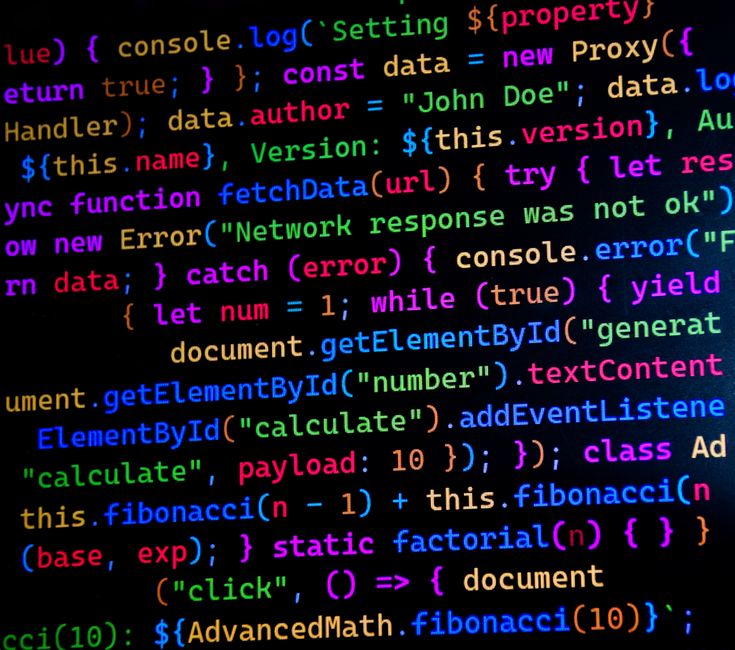
Many people learned Python in fits and starts, copying snippets without fully understanding what they did. Here the focus is on consolidating the fundamentals: how a project is organized, what each file does, and why it is worth separating logic from presentation. It is useful for anyone who has already written standalone scripts and wants to give them a structure that holds up as the code grows.
Python path: solutions

Moving from scripts to web applications

A script that runs in the terminal and a web application that handles requests work differently. The web development with Python course explains routes, forms, templates, and the lifecycle of a request. It is a step that requires having practiced the basics: without that, the web part becomes a recipe that is copied without understanding. We make this clear before starting.

Python path: solutions

Choosing between Django and Flask

Django comes with a complete structure with built-in administration and data access. Flask offers a lighter starting point and leaves more decisions to the person writing the code. In the frameworks course, both are compared through focused projects, so the choice rests on concrete criteria rather than a preference read somewhere. Neither is better in the abstract: it depends on the project.
Python path: solutions

Working with databases

Storing and retrieving information is what separates a demo from an application that is actually used. The databases and automation course presents models, tables, and relational queries applied to projects with Python, as well as scripts that organize repetitive tasks. The exercises are intentionally focused: we do not promise to cover complex systems at an introductory level.

Python path: solutions

Automating everyday tasks

Reading files, moving data between spreadsheets, or generating reports are tasks that a small script can simplify. In the automation section, you work with realistic examples and learn what is worth automating with basic knowledge and what requires more experience. It is a good first contact with Python for anyone coming from administrative tasks who wants to understand the real potential of the tool.

If your situation does not quite fit any of these, you can tell us what you are looking for. The form on the contact page saves your inquiry for the site team, who read it and respond based on the available content. You can also review the Ruta Python approach before writing.

Why many people choose to train here

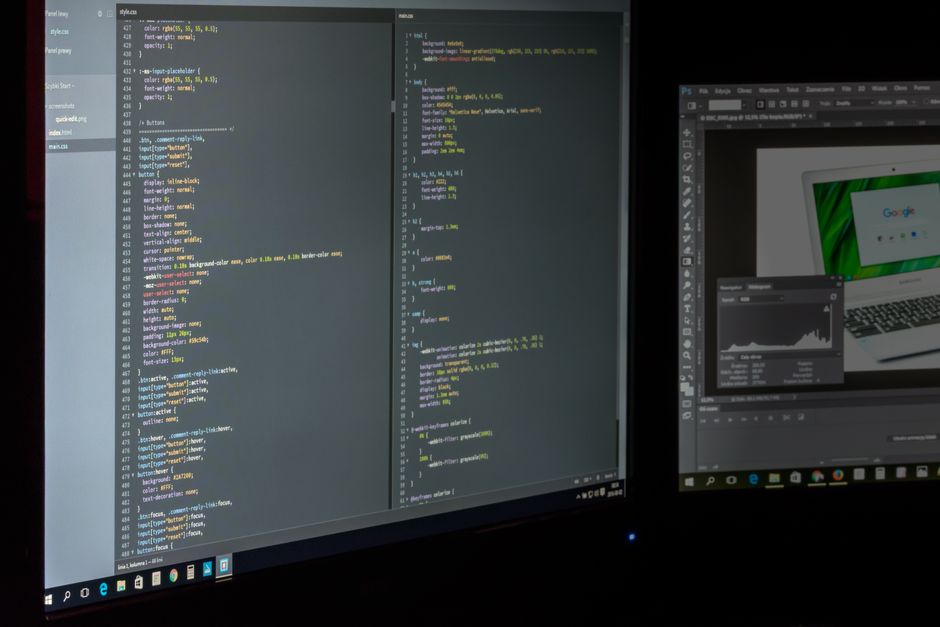
People who start programming often run into the same problem: too many scattered materials and little clarity about what to practice first. At Ruta Python the path is organized by topic, and each course explains what it covers and what it leaves out, so the decision does not depend on a promise but on what will actually be studied.

  1. Content you can verify before signing up

    The programs detail language fundamentals, coding practice, web development, Django, Flask, databases, and automation. There is no fine print: if a topic is not in the syllabus, it is not part of the course. That transparency allows comparison with other offerings without guessing.

  2. A starting point designed for those who have never programmed

    The exercises start from zero and progress with focused examples. No prior experience is assumed and practice is not skipped: each theory block is accompanied by code that the person writes and runs. For those who already have a foundation, the intermediate level allows scattered knowledge to be organized.

  3. Frameworks and data treated as part of the craft

    Django and Flask are not presented as shortcuts, but as tools with their own structure and criteria. The same goes for databases: how information is stored and retrieved is explained before it is used in an application. Automation with scripts appears as concrete practice, not as a magic formula.

  4. No job promises or invented timelines

    No job outcomes, income, or learning timelines are guaranteed. What is offered is training with clear content and guided practice. That honesty is part of the approach: anyone who inquires knows in advance what they can expect and what depends on their own journey.

The inquiry is submitted through the form on the contact page and is saved for the site team. It does not create accounts, subscriptions, or enrollment commitments. If you want to understand the general approach first, you can read the Ruta Python mission or review the contact options before writing.

What these training solutions include and what they do not

Before signing up, it is worth knowing what can be expected from a course and what falls outside its scope. Ruta Python describes content, practice, and limits with the same clarity it uses to build each offering. The clarifications that follow are not fine print: they help ensure no one arrives with a mistaken idea about what they will find.

Your choice regarding this notice We only store whether you accept or reject this notice in your browser's local storage. It is not recorded in cookies and is not sent to any server. You can change your mind by clearing the site data. More information in the privacy policy.